
As a social enterprise, we are committed to building a community of practice and sharing proven strategies and tactics to advance local natural disaster preparedness planning and food system resilience.
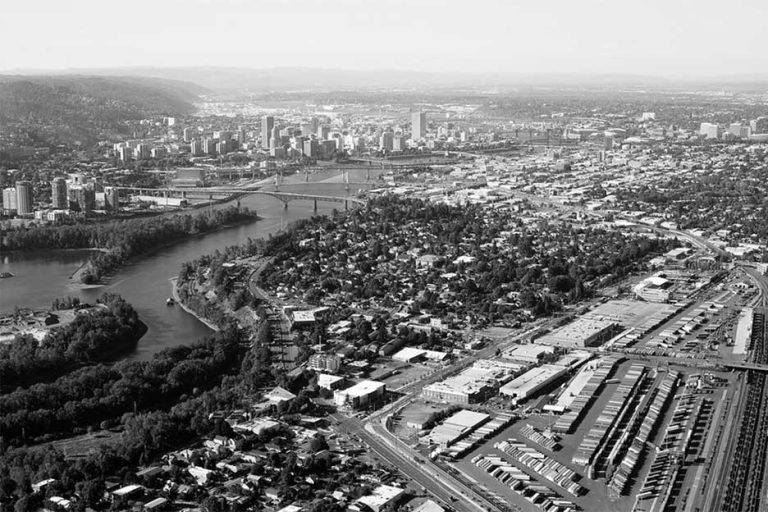
In 2020, Portland, Oregon experienced two unprecedented shocks to its food system. Early in the year, the COVID-19 pandemic showed the city just how easily its food supply chains could be disrupted by a crisis. Then, in the fall, the. . .
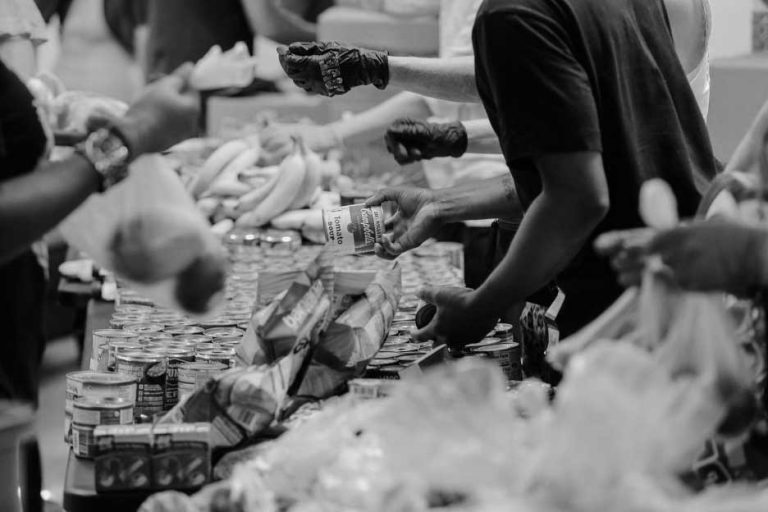
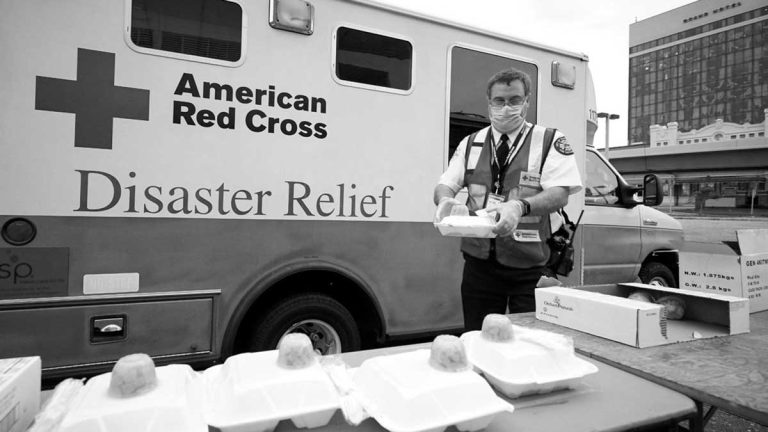
The Red Cross. FEMA. Food Banks. They are all part of the powerful images we see of agencies providing emergency food after natural disasters. But how does this happen? Who sends out the call for an emergency response? And who. . .
The unrelenting pace of climate-related disasters has public and private sector organizations trying to mitigate the impact of climate change. When it comes to food systems, most attention has been given to food production—how best to reliably grow food under. . .
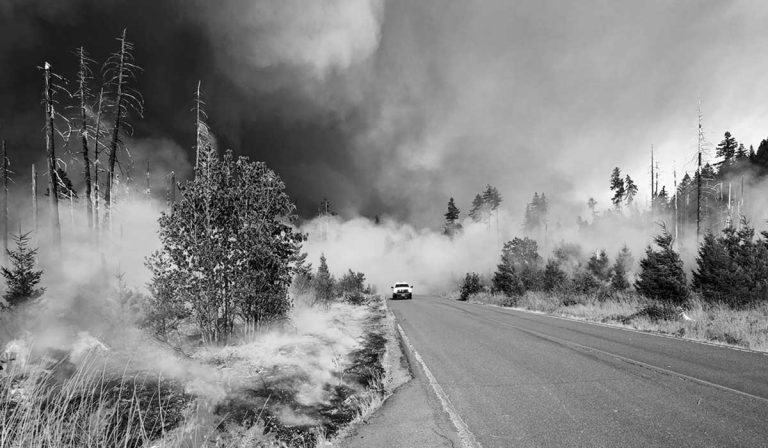
City leaders are prioritizing resilience planning to better prepare for severe natural disasters such as earthquakes, hurricanes and superstorms. Food systems, however, have been largely overlooked in these planning efforts. Most cities expect to provide residents with food for a. . .
This blog post is written as part of the Meeting of the Minds’ third annual group blogging event, which asked: The year is 2050. Write a letter to the people of 2015 describing what your city is like, and give. . .
Note: This post originally appeared on the Meeting of the Minds Blog on June 9, 2015. In recent years, cities and regions are looking to build resilient food systems in the face of climate change. One motivation for expanding local. . .
We publish insights and updates on our work on a regular basis. Subscribe to our newsletter here so you don’t miss out.
The Food Foundation in the U.K. engaged The Feeding Cities Group to develop new content for their Food Cities 2022 global food learning platform to expand audience and partner engagement. We developed a novel structure for the series of five webinars and companion case studies (Tactics to Try) by identifying the major crises impacting food availability within urban areas:
The webinars featured over 20 international experts from the FAO, UN World Food Programme (WFP), C40, Milan Urban Food Policy Pact (MUFPP), and RUAF, as well as practitioners from across the world leading emergency food initiatives locally.
Our team conducted original research to develop a series of five accessible case studies that highlight proven disaster food responses in a format that offers practitioners actionable points for trying something similar in their city.
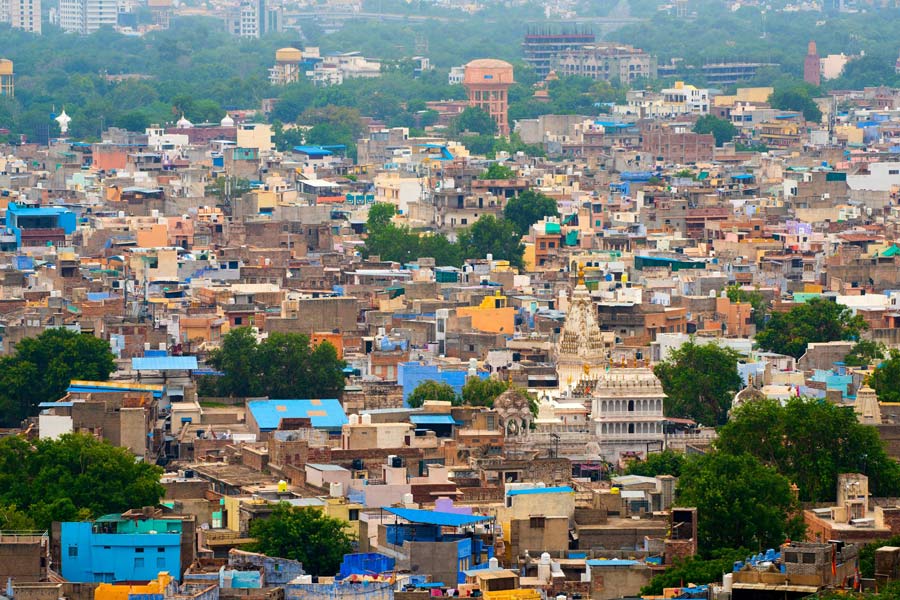

Cities can leverage economic development such as public food markets to increase disaster feeding response capacity. This case summarizes our recommendations for the City of Gresham, Oregon, which was interested in developing a platform to provide small food businesses a pathway for scaling connected to Rockwood Market Hall.
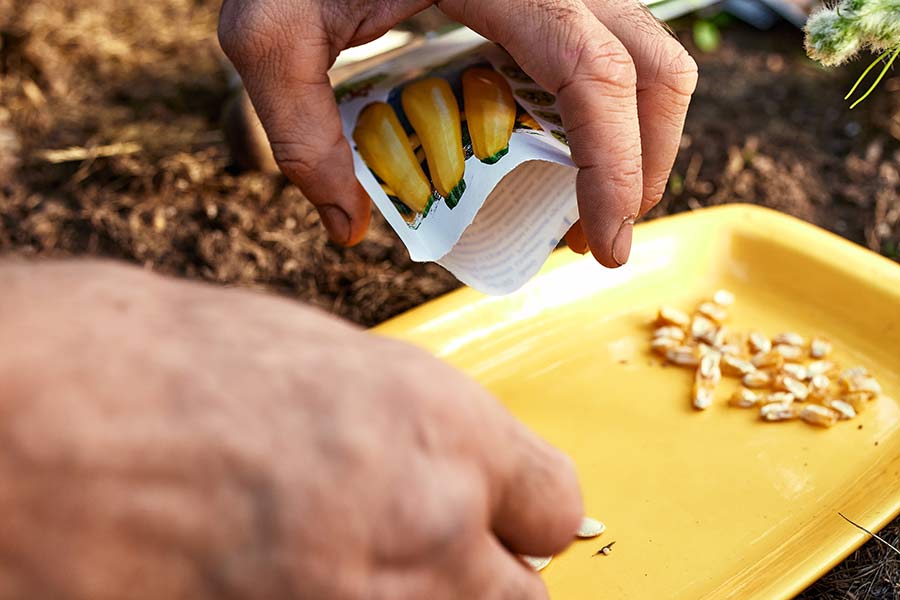
Cities experiencing active conflict have disrupted food supply chains and diminished food resources. We summarize work by Dr. Andrew Adam-Bradford, a Feeding Cities Group partner, who is developing and testing practices to help cities in active conflict zones quickly expand local food production.
Public reports developed for our projects are archived below. Note that our early work was completed while Kim Zeuli was at the non-profit ICIC in Boston, which graciously supported our early work.
To give you the best experience, Feeding Cities Group uses cookies to store and access device information. Your privacy matters to us — we'll never sell your information.